
Introduction
India is once again witnessing a defining constitutional moment. The Supreme Court of India is currently hearing a crucial matter linked to the Sabarimala Temple Case, with a 9-judge Constitution Bench examining deep questions about religious freedom and gender equality.
At the center of this debate lies a powerful constitutional clash — Article 25 (freedom of religion) versus Article 14 (right to equality).
Background of the Sabarimala Case
The dispute revolves around the Sabarimala Temple in Kerala, where traditionally women aged 10 to 50 were not allowed entry, citing religious customs linked to the deity Lord Ayyappa.
In 2018, the Supreme Court ruled in favor of allowing women’s entry, calling the restriction discriminatory. However, the verdict triggered nationwide debates, protests, and review petitions — leading to the current constitutional reconsideration.
What is the 9-Judge Bench Examining?
The Constitution Bench is not directly deciding temple entry again. Instead, it is addressing broader constitutional questions:
- What defines an “essential religious practice”?
- Can courts intervene in religious traditions?
- How should conflicts between fundamental rights be resolved?
- Do equality principles override religious customs?
This hearing could establish a long-term legal framework affecting multiple religious practices beyond Sabarimala.
Key Judicial Observation
During the hearing, a judge made a strong and widely discussed remark:
“A woman cannot be treated as untouchable for three days.”
This statement directly challenges the social and religious reasoning used to justify restrictions based on menstruation.
Article 25 vs Article 14: The Core Conflict
🛐 Article 25 – Freedom of Religion
- Guarantees individuals the right to practice and propagate religion
- Allows religious denominations to manage their own affairs
⚖️ Article 14 – Right to Equality
- Ensures equality before the law
- Prohibits discrimination based on gender, caste, or religion
👉 The key question:
Can religious freedom justify exclusion, or does equality take priority?
🌍 Why This Case Matters Beyond Sabarimala
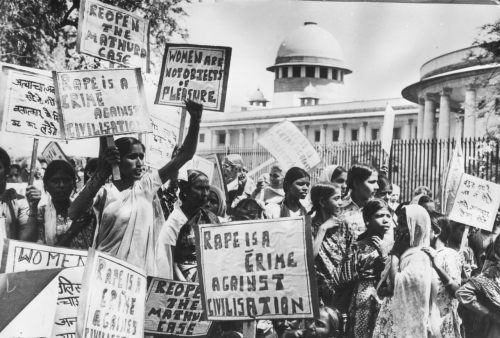


This case has implications far beyond one temple:
- It could redefine how courts interpret religious autonomy
- It may impact practices in mosques, temples, and other religious institutions
- It strengthens the ongoing discourse on gender justice in India
- It could reshape future rulings involving faith vs fundamental rights
📊 Possible Outcomes
The judgment from the 9-judge bench may:
- Clearly define limits of judicial intervention in religion
- Establish whether customs can override equality
- Set a precedent for handling conflicts between fundamental rights
- Influence future constitutional interpretation for decades
✍️ Conclusion
The Sabarimala matter is not just about temple entry — it represents a deeper constitutional dialogue about modern India’s identity. As the Supreme Court of India deliberates, its decision could reshape the balance between tradition and constitutional morality.
This case will likely become a cornerstone in India’s constitutional history, guiding how rights, faith, and equality coexist in a democratic society.
